Sample
Study people, animals, water and environments together.
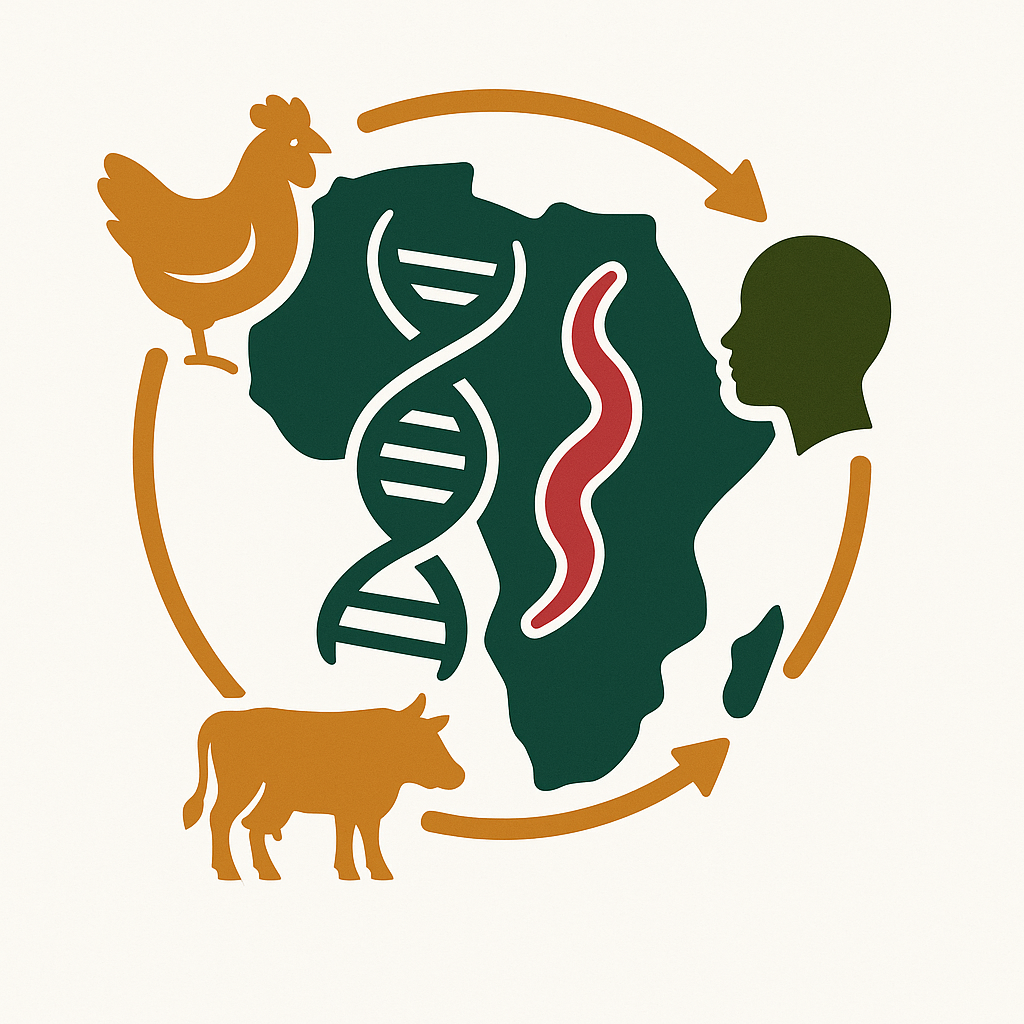 Campylobacter Control Campaign
Research programme
Where does Campylobacter exposure come from, which transmission routes matter most, and where can prevention have the greatest impact?
Our approach
CCC connects One Health field studies with genomics, epidemiology and modelling to turn surveillance into practical decisions.
Study people, animals, water and environments together.
Characterise isolates, metagenomes, pathogen diversity and AMR.
Use genomic and machine-learning approaches to identify likely sources.
Combine evidence and local knowledge to compare pathways and interventions.
Prioritise feasible upstream interventions, including water, livestock and vaccine-informed strategies.
What this delivers
Which human, animal and environmental pathways contribute most to exposure and disease?
Which reservoirs, pathogen lineages and resistance patterns matter most in each setting?
Which locally realistic changes are most likely to reduce transmission?
Methods & resources
Study protocols, laboratory methods and analysis resources are shared so approaches can be reproduced and adapted across CCC partner sites.